
From Screen to Stitch: Choosing the Best Decoration Method for Tote Bags & Aprons
Picking the right decoration method for tote bags and aprons is…
Picking the right decoration method for tote bags and aprons is as much practical as it is creative. You want the finished product to look great, survive real-world wear and washing, and make sense for your budget and production flow. Below is a straight-to-the-point technical guide plus an easy decision flowchart to help print shops, brand managers, and distributors choose between screen printing, embroidery, and heat transfer (and related techniques). I’ll also give realistic cost/volume examples, durability notes, and quick recommendations for common use-cases.
Quick summary (so you can decide fast)
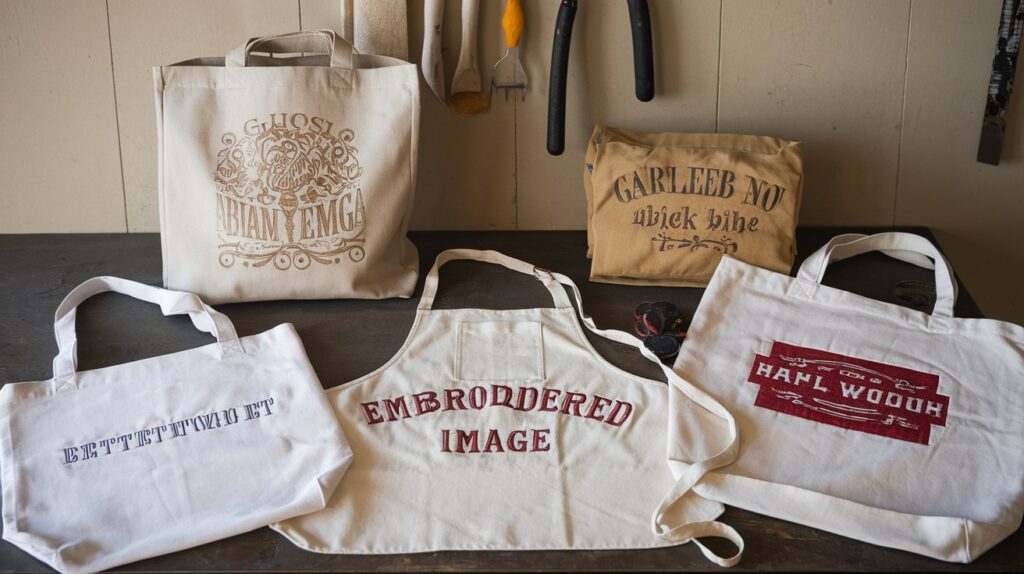
- Embroidery — best for a premium, tactile look; extremely durable; higher per-piece cost and longer production time. Great for logos, chest placements, and when the brand needs a premium signal (decorated aprons).
- Screen printing — best for high-volume runs with simple color separations; very durable on cotton and canvas; becomes cost-effective at medium-to-large quantities (great for tote bags).
- Heat transfer (vinyl, digital transfers, sublimation) — most flexible for full-color or photographic artwork, small runs, and on-demand jobs. Sublimation is perfect for polyester; vinyl/PU transfers work on many fabrics but may show wear over time.
The methods — what they are & pros/cons
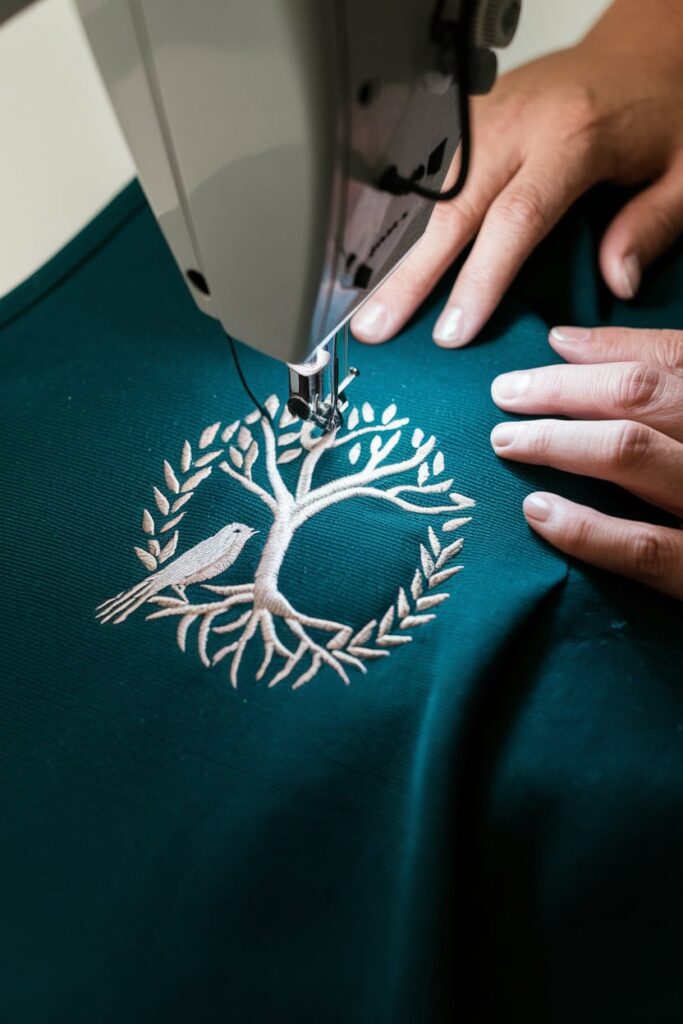
1. Embroidery (stitching the logo)
Best for: Logos, badges, premium uniforms, aprons with visible branding.
Pros:
- Very durable (holds up to repeated washing).
- Perceived as premium and professional.
- Excellent for textured fabrics.
Cons: - Higher per-piece cost.
- Not appropriate for very fine photographic detail.
- Thick stitch density can stiffen thin fabrics.
Technical notes: Use satin stitches for outlines and fills for larger areas. Digitizing the logo properly is crucial (one-time fee). Best on thicker fabrics (canvas, twill, duck cloth).
💡 Best for: promotional giveaways, retail bags, and brand merch where bold logos shine.
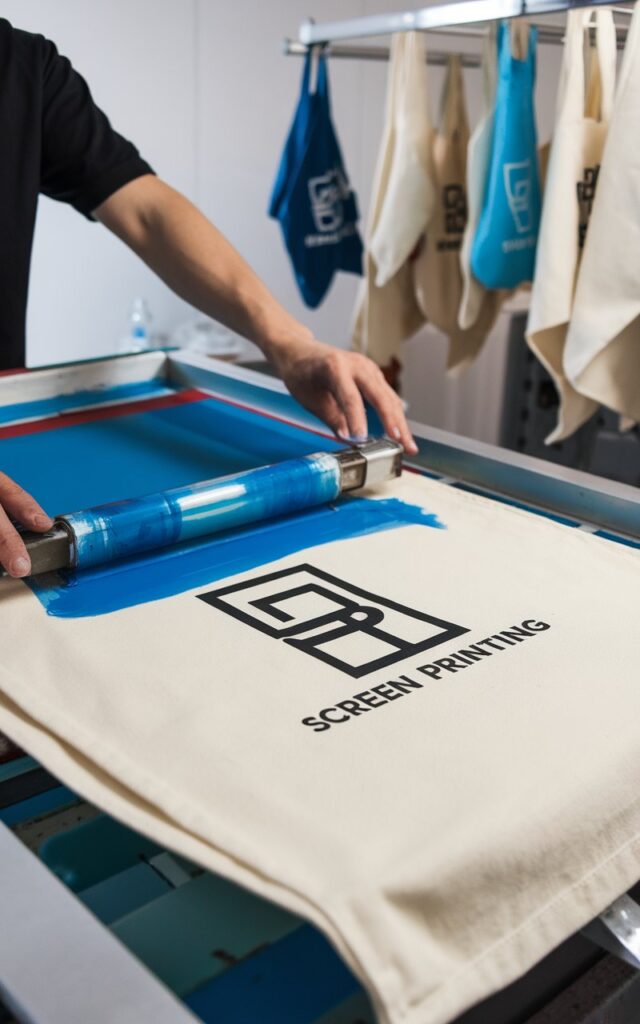
2. Screen printing (ink pushed through screens)
Best for: High-volume, simple-color logos/graphics on cotton canvas totes and aprons.
Pros:
- Extremely durable (with plastisol or water-based inks).
- Very cost-effective at scale.
- Excellent color opacity on darker bases (with underbase).
Cons: - Setup per color (screens) → higher upfront cost for multi-color art.
- Not ideal for very small text or fine gradients (without specialty processes).
Technical notes: Use higher mesh counts for fine detail; consider discharge or water-based for soft-hand prints on cotton; use underbase for bright colors on dark fabrics.
💡 Best for: uniforms, hospitality, and premium branded merchandise.
3. Heat transfer (vinyl/PU, digital transfers, sublimation)
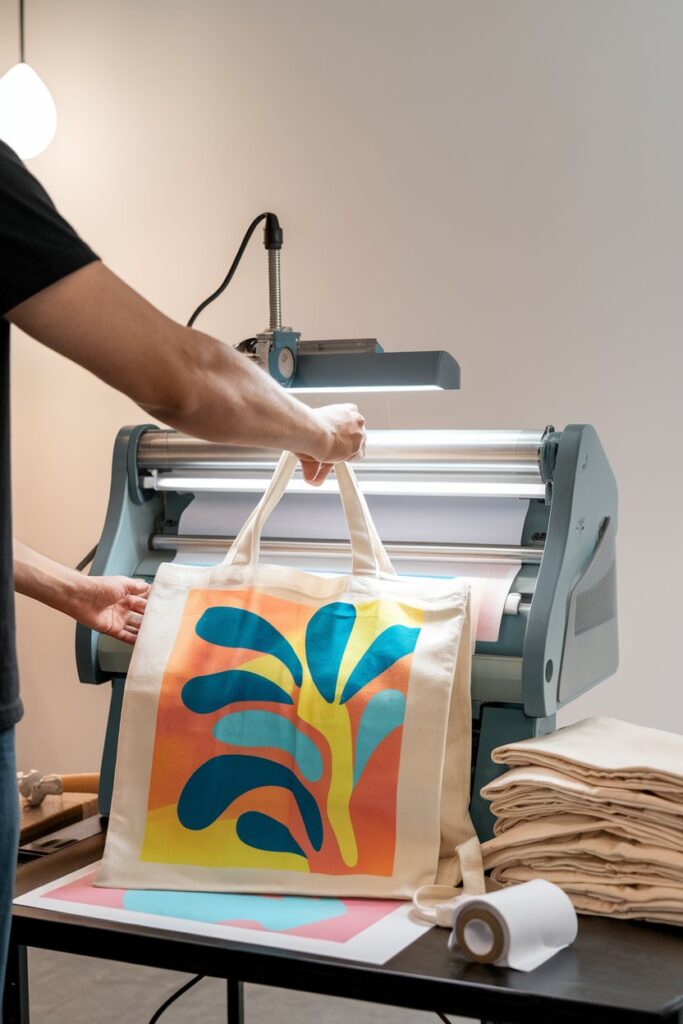
Best for: Small runs, full-color photographic prints, polyester items (sublimation).
Pros:
- Low setup cost for short runs.
- Photographic detail possible (digital transfers).
- Sublimation is permanent on polyester.
Cons: - Vinyl and PU can crack or peel after heavy use/washing.
- Transfers may feel plasticky (hand differs from screen print).
Technical notes: Sublimation requires polyester or poly-coated bases. Ensure heat/pressure profile is matched to fabric to prevent scorching or poor adhesion.
💡 Best for: limited-edition designs, events, or colorful branding on synthetic fabrics.
Cost & volume — rough breakpoints (example calculations)
Actual numbers vary by region, shop, and complexity. Use these as directional starting points.
Assumptions (example):
- Screen printing setup per color = $50 (one-time for the run)
- Screen print per-unit ink/labor (1-color) = $1.00
- Embroidery digitizing one-time = $30
- Embroidery per-unit (stitch time, thread) = $4.00
Example math (1-color or small logo):
Screen printing total cost for n units = 50 + 1×n
Embroidery total cost for n units = 30 + 4×n
Find the break-even n: 50 + n = 30 + 4n → 20 = 3n → n ≈ 7 units
That suggests screen printing becomes cheaper beyond ~7 units in this simplified example. Real-world: add extra costs (multi-color screens, thread changeover time, fabric type), so break-even often sits in the 20–50 unit range for small logos. For complex, multi-color artwork, screen setup multiplies, pushing break-even higher; for embroidery, per-unit time increases with stitch count.
Bottom line:
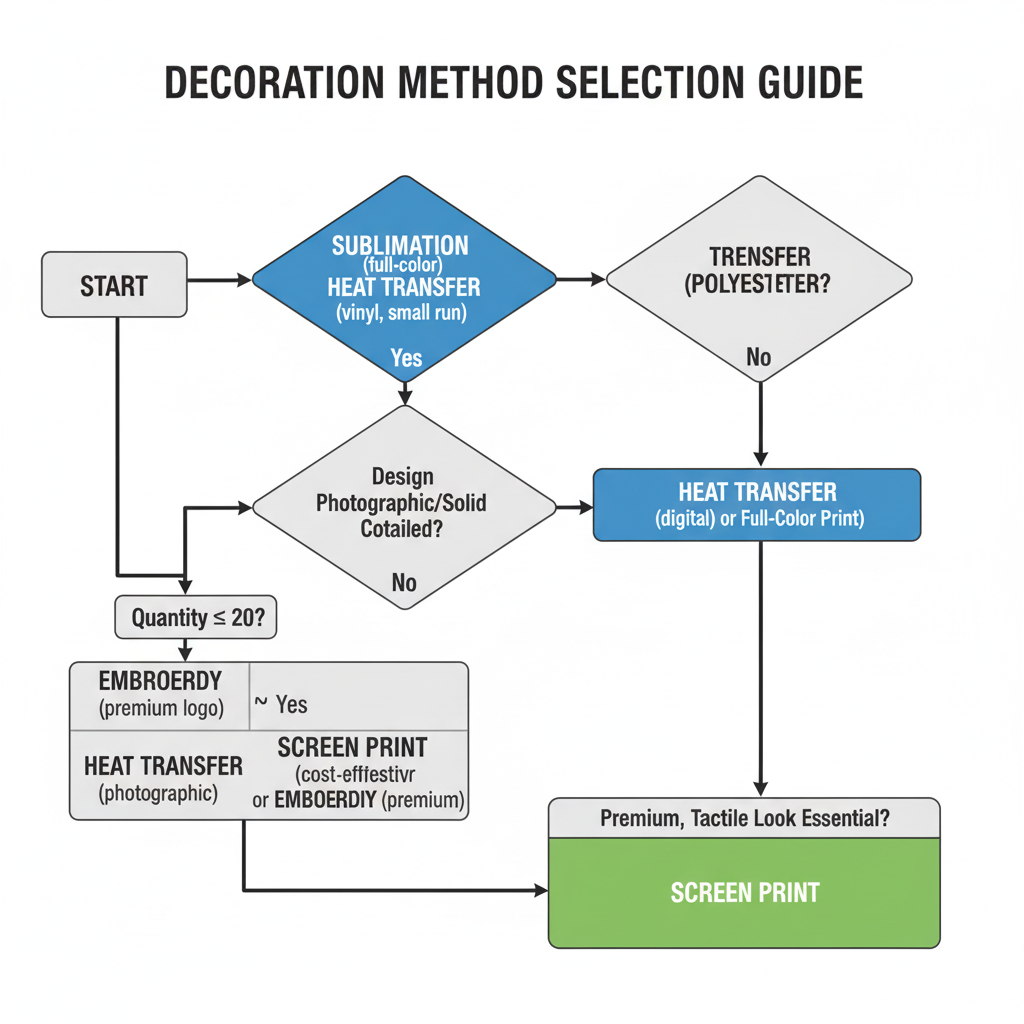
- Very small runs (1–20) → heat transfer or embroidery depending on desired finish.
- Medium runs (20–200) → embroidery for premium logos or screen printing (single/multi-color) if art is screen-friendly.
- Large runs (200+) → screen printing for cost efficiency (if design suits it).
Durability expectations (washing & wear)
Embroidery: highest — stitches remain; very long-lasting unless the fabric itself fails.
Screen printing (plastisol, high-quality water-based): high on cotton/canvas — ink bonds well and resists cracking if cured properly.
Heat transfer vinyl/PU: moderate — can crack/peel after repeated washing or heavy abrasion.
Sublimation: permanent on polyester — image becomes part of the fabric.
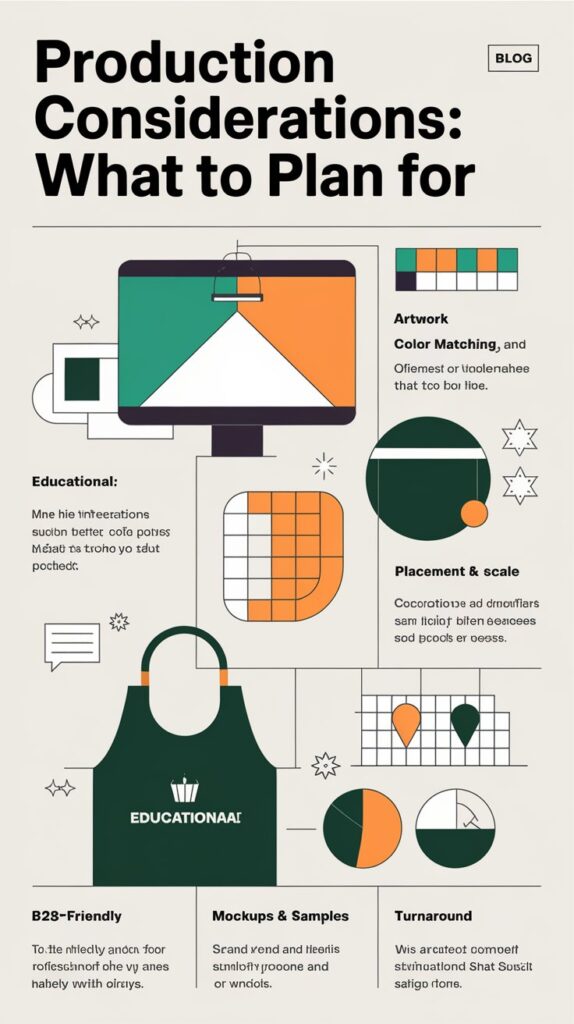
Production considerations (what to plan for)
Artwork: solid-vector art for screen printing/embroidery. Convert small text to outlines for embroidery.
Color matching: pantone to thread/inch/color separations—expect slight variances across processes.
Placement & scale: embroidery looks best 2–4″ chest logos; screen prints scale well for larger panels (front or back); transfers can do full-bleed.
Mockups & samples: always order 5–10 samples before full production to check placement, color, and wash behavior.
Turnaround: transfers & embroidery for small runs are faster; screen printing needs drying/curing time and can have longer lead times for larger runs.
Recommendations by scenario
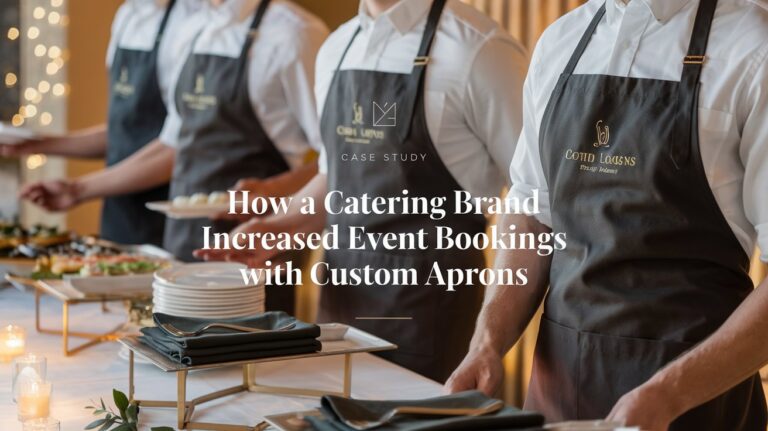
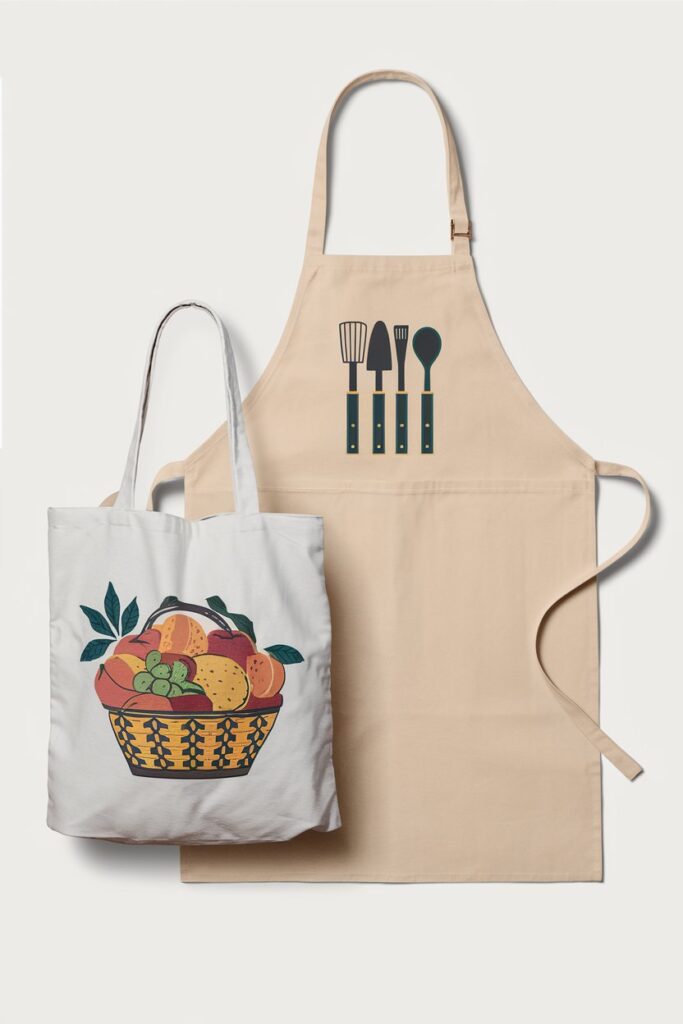
- Corporate catering aprons (premium client-facing): Embroidery on twill or canvas.
- Event giveaway totes (large batch, cost-sensitive): Screen printing with 1–2 colors on cotton canvas.
- Full-color merch or complex artwork for promotional runs (small qty): Digital heat transfer or DTF.
- Polyester sport aprons or bags: Sublimation for permanent, full-color prints.
The Q-Tees Advantage
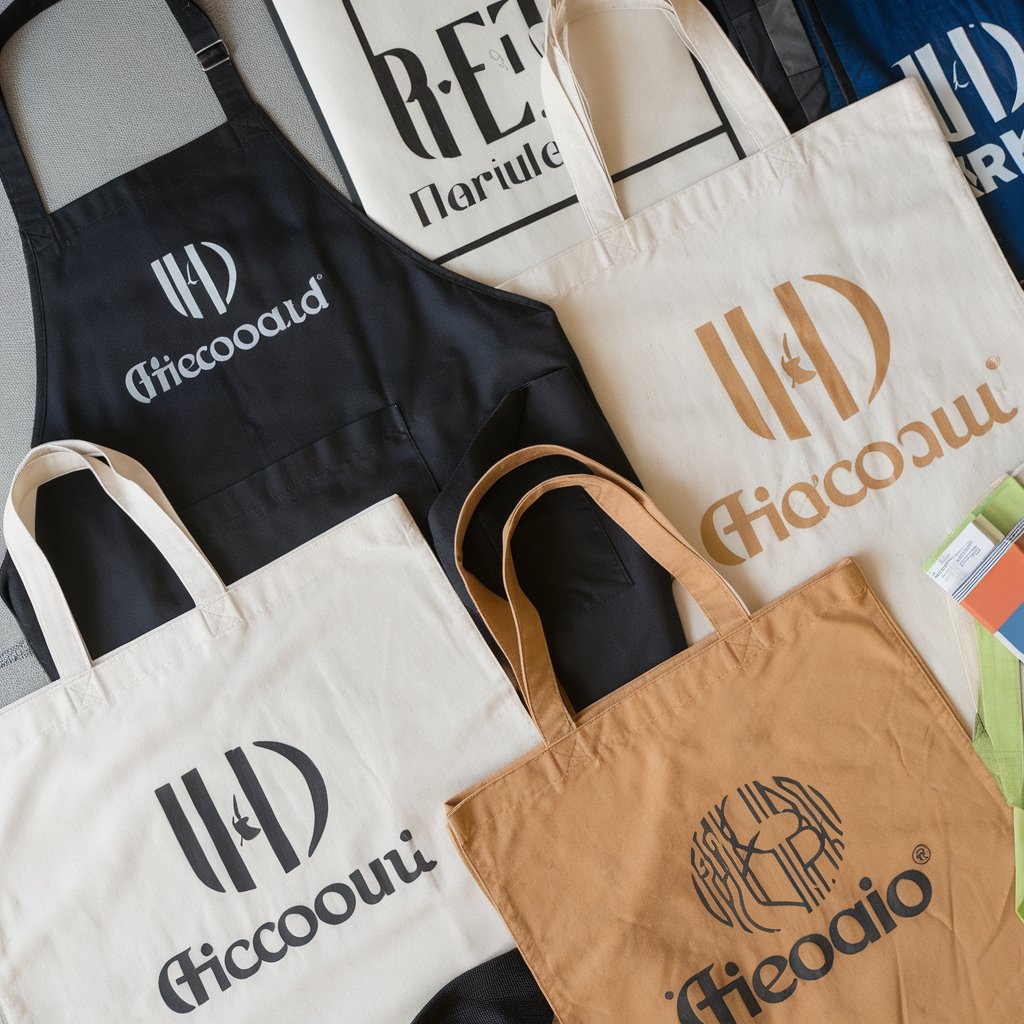
Whether you’re printing bold event bags or stitching detailed chef aprons, Q-Tees offers the right base products for every decoration method. Our cotton canvas, sheeting, non-woven, and twill fabrics are tested to perform beautifully across screen print, embroidery, and heat transfer applications — giving decorators, distributors, and brand managers complete confidence from sample to shipment