
Reusable Grocery Tote Bags: Why Gusseted Bags Perform Better
Reusable grocery tote bags with a proper gusset aren’t just “bigger…
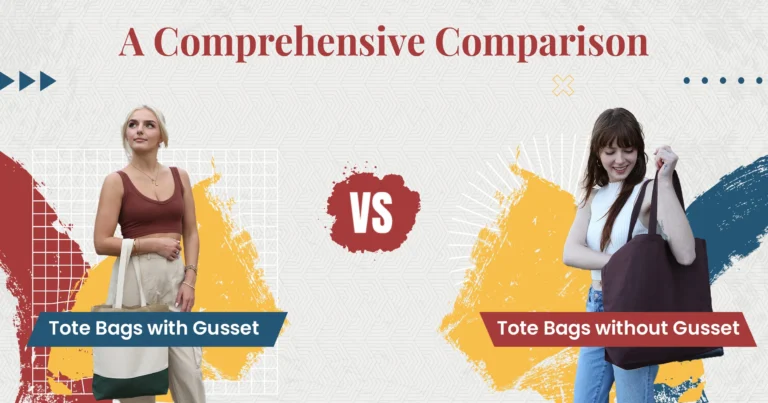
Reusable grocery tote bags with a proper gusset aren’t just “bigger totes.” The folded, stitched panel at the bottom or sides is the design feature that converts a flat carry bag into a practical, stable, load-bearing carrier. For distributors and brand buyers, gusseted bags consistently outperform flat totes in real use: they hold more, pack more neatly on retail shelves, looks expensive, print and photograph better, and get reused more often which means more brand impressions over time.
Below is a practical, product-focused guide covering gusset depth, load capacity, fabric choice, decoration, merchandising tips, sustainability considerations, and buyer guidance so you can confidently recommend and sell gusseted grocery totes.
What is a gusset and why it matters for grocery bags
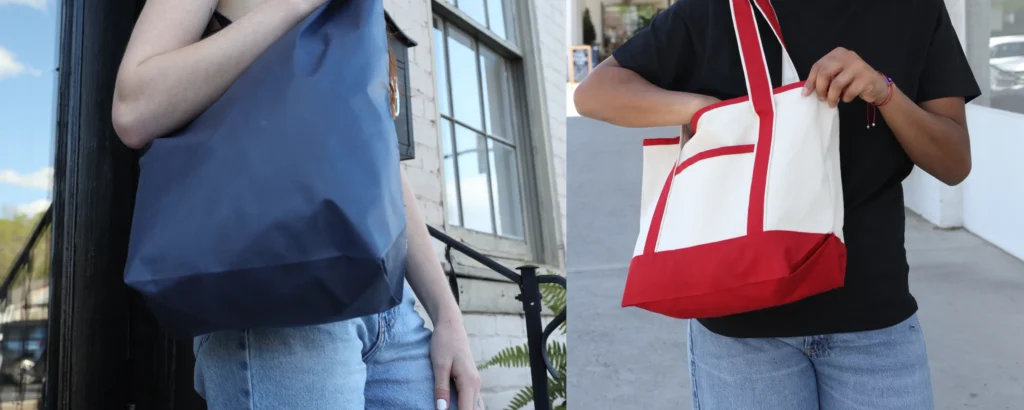
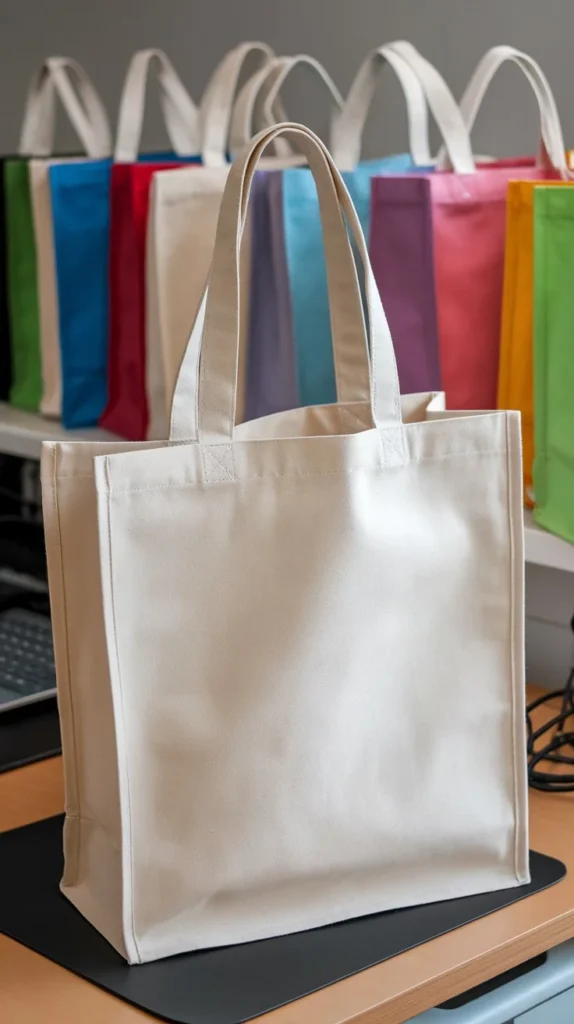
A gusset is an added panel sewn into the bag’s bottom (and sometimes sides) that creates a boxed base and extra volume. Without a gusset, a tote is essentially a flat pouch; with a gusset it becomes a true carrier with a structured footprint.
Why that matters:
- Volume & stability: Gussets let the bag stand up and carry bulky or uneven loads (produce, canned goods, boxed items) without sagging.
- Load distribution: A boxed base spreads weight across the bag’s bottom instead of forcing it into a small fold, reducing stress on seams and handles.
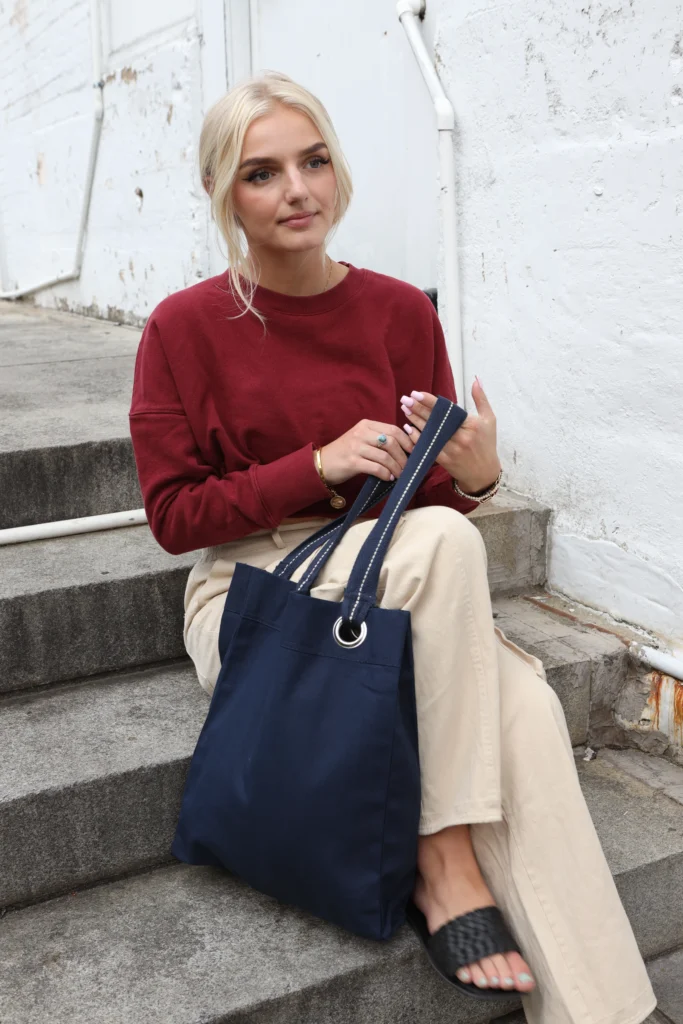
- Shelf & display: Gusseted bags look better on hooks and retail shelves; they photograph better in e-commerce and social campaigns.
- Perceived value: Consumers treat structured bags as higher quality and are more likely to reuse them.
Gusset depth & load capacity: practical ranges to recommend
Gusset depth is usually measured in inches (or mm) and directly affects how much the bag can hold.
Practical guidelines:
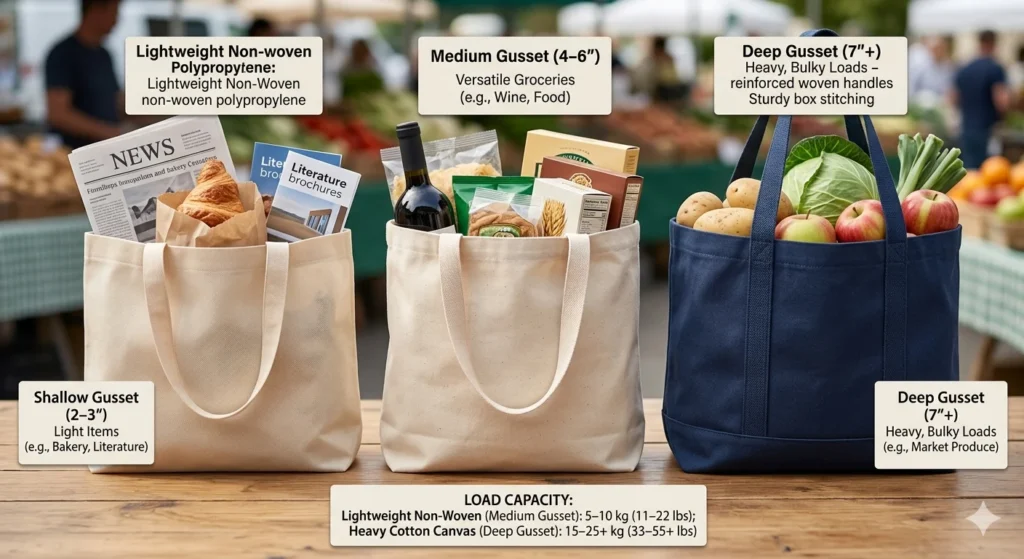
- Shallow gusset (2–3″ / 50–75 mm): Good for light grocery loads, bakery items, or literature bags. Best where slim packaging or lower bulk is expected.
- Medium gusset (4–6″ / 100–150 mm): The most versatile choice holds multiple grocery items, wine bottles, or packaged food. Recommended for general-purpose grocery totes.
- Deep gusset (7″+ / 175 mm+): Designed for heavier, bulkier loads ideal for markets, farmers’ produce, or when bundling multiple items.
Load capacity depends on gusset depth and fabric & construction. Typical practical guidance:
- Lightweight non-woven (single-stitch) with medium gusset: suitable for 5–10 kg (11–22 lbs) of light items.
- Heavy cotton canvas or reinforced recycled blends with medium/deep gusset and reinforced handles: suitable for 15–25+ kg (33–55+ lbs), depending on stitching and handle attachment.
Sales tip: Always confirm load specs with your manufacturer or channel partner and recommend a safety margin (sell the bag with a stated “recommended load” rather than a maximum).
Decoration: what works best on gusseted grocery totes
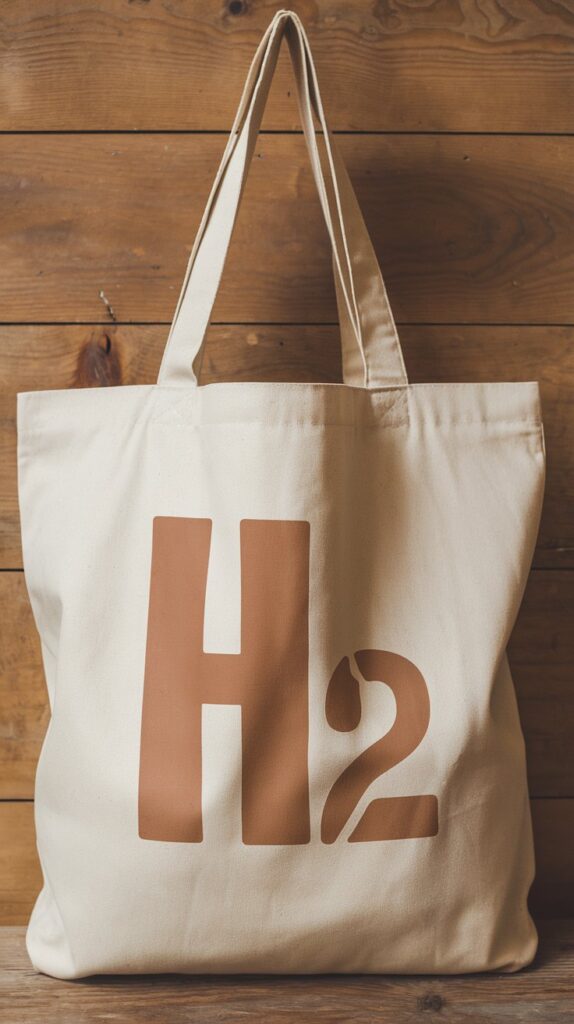
Gusseted grocery totes offer ample flat panel area on the front and back great news for branding. Choice of decoration depends on fabric, run size, and design complexity.
Screen printing
Best for bold, single- or limited-color branding at medium-to-large runs. Great on canvas and recycled blends. Durable if properly cured.
DTF / Heat transfer
Ideal for full-color artworks and photographic images on small to medium runs. Works on many substrates but check hand feel on heavy canvas.
Embroidery
Adds a premium tactile finish. Best for logos or monograms; use on heavier fabric only to avoid puckering.
Special finishes
Metallic foil, puff ink accents, woven labels, and contrast handles can enhance perceived value but may affect washability.
Merchandising & retail/display advantages
Gusseted bags photograph and display better:
- Retail-ready: boxed bases make bags stackable and more attractive on shelves or in gift bundles.
- Shelf talkers & kit displays: show the bag filled to highlight capacity; use lifestyle images with grocery items to sell use-cases.
- Bundling: sell as grocery bundle (bag + tea towel or small sample product) to increase average order value.
Tip for distributors: Provide partners with mockups showing the bag filled (grocery contents) and empty (flat) so retail buyers understand inventory and point-of-sale presentation.
Sustainability & lifecycle: gusseted totes as a better environmental choice
A durable gusseted tote that gets reused dozens or hundreds of times has a lower lifecycle environmental impact than single-use plastic bags. Key sustainability messages that resonate with buyers:
- Reduce single-use: Durable gusseted totes replace many disposable bags per user.
- Material choices: Recycled cotton/poly blends and recycled PET reduce virgin material demand.
- Longevity over claims: Focus on reuse and lifecycle, not vague “green” promises. When available, provide certificates (recycled content % or testing) and factual usage estimates.
If sustainability certification is relevant, distributors should request documentation from suppliers (e.g., recycled content declarations or fabric test reports) before making claims.